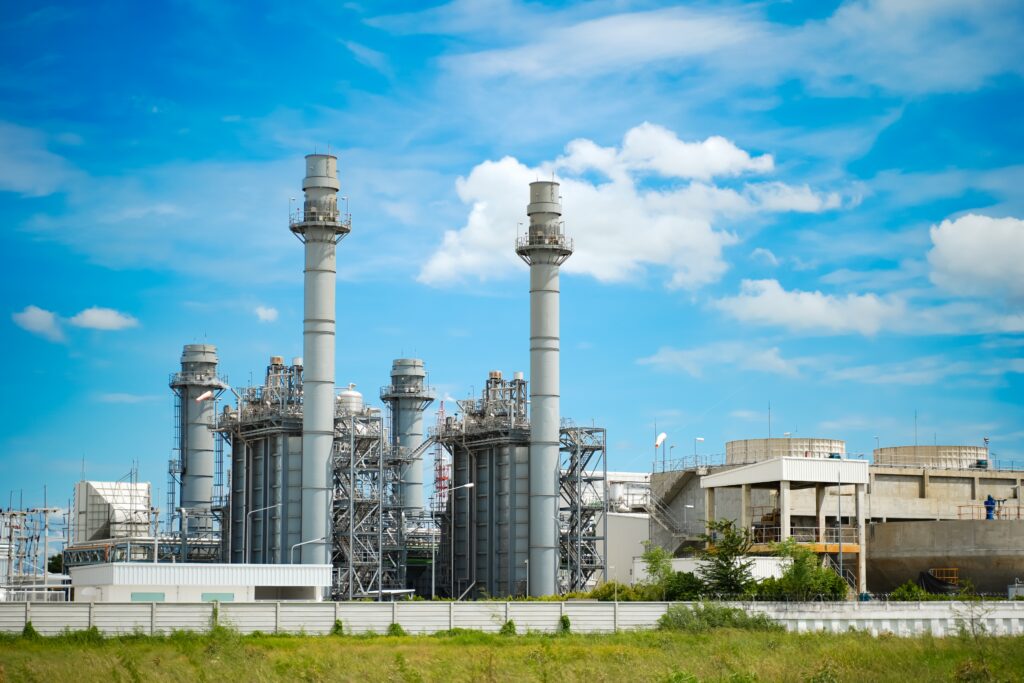
Data Center

As one of the nation’s leading designers and manufacturers of precision springs, Diamond Wire Spring has been serving the industries creating Datacenters.

Quality and precision every time.

The extremely knowledgeable engineering team at Diamond Wire Spring has years of experience in most energy equipment applications. Diamond Wire Spring’s precision compression, extension, torsion, and wire-form products support cooling, power-distribution, and equipment mechanisms in AI data centers.  Our custom manufacturing capabilities are one of the widest in the industry from .008-.625″ cold wound spring wire, and custom quotes are typically returned within one business day.

Continuous improvement is key at DWS, updating our physical plants and our manufacturing equipment to maintain a top supplier in the industry. We hold ISO 9001:2015 certified facilities and adhere strictly to these guidelines.

In addition to prototypes and custom orders, we have an extensive inventory of many different springs in stock. We are currently stocking custom springs manufactured for customer release schedules. These schedules include JIT, KANBAN, blanket orders and others. Once a delivery time is determined, Diamond Wire Spring manages your inventory for you.

The Diamond Wire Spring team is committed to exceptional customer service. We are a third-generation, privately owned company, with three US Based manufacturing plants. We provide strong customer support build upon our reputation of honesty and integrity.
Data-Center Spring Engineering & Application Guide

2. Material Selection Matrix

Selecting a spring alloy requires balancing mechanical stress, ambient humidity, temperature, 
and electrical conductivity:
  • 302 / 304 Stainless Steel (ASTM A313). Standard baseline for indoor server racks, airflow 
    dampers, and general cooling hardware requiring reliable corrosion resistance.
  • 316 Stainless Steel. Recommended for high-humidity plenum areas, liquid cooling loops, or 
    coastal data centers exposed to salt air and moisture.
  • 17-7 PH Stainless Steel. Precipitation-hardened alloy used in high-load power switchgear 
    and valve assemblies where high yield strength and minimal stress relaxation are critical.
  • Chrome Alloy. High-tensile alloy steels engineered for extreme fatigue life and shock 
    resistance in heavy-duty backup generator mounts and high-cycle breakers.
  • Beryllium Copper & Phosphor Bronze. Non-magnetic, electrically conductive alloys used in 
    busbar connectors, relays, and EMI shielding springs to prevent voltage drops.

3. Loads, Operating Environments & Qualification Standards

    • Load & Deflection Tolerancing. Drawings should specify exact working load (P) at 
      installed height (L1) and operating height (L2), referencing Spring Manufacturers 
      Institute (SMI) tolerance tables for outer diameter, free length, and spring rate.
    • High-Cycle Fatigue Validation. Springs in active cooling valves, dampers, and 
      switchgear must be engineered below critical stress thresholds to prevent crack 
      initiation, with lot testing validating 150,000 to >1,000,000+ cycles without 
      force degradation.
    • Environmental & Thermal Stability. Components must resist stress relaxation 
      (load loss) across elevated exhaust temperatures (typically 40°C to 85°C+ in 
      high-density AI racks) and comply with RoHS/REACH material certifications.
    • Passivation & Surface Finishing. Stainless steel parts should undergo ASTM A967 
      citric or nitric acid passivation to eliminate free iron and prevent galvanic 
      corrosion when mated to aluminum or copper cold plates.
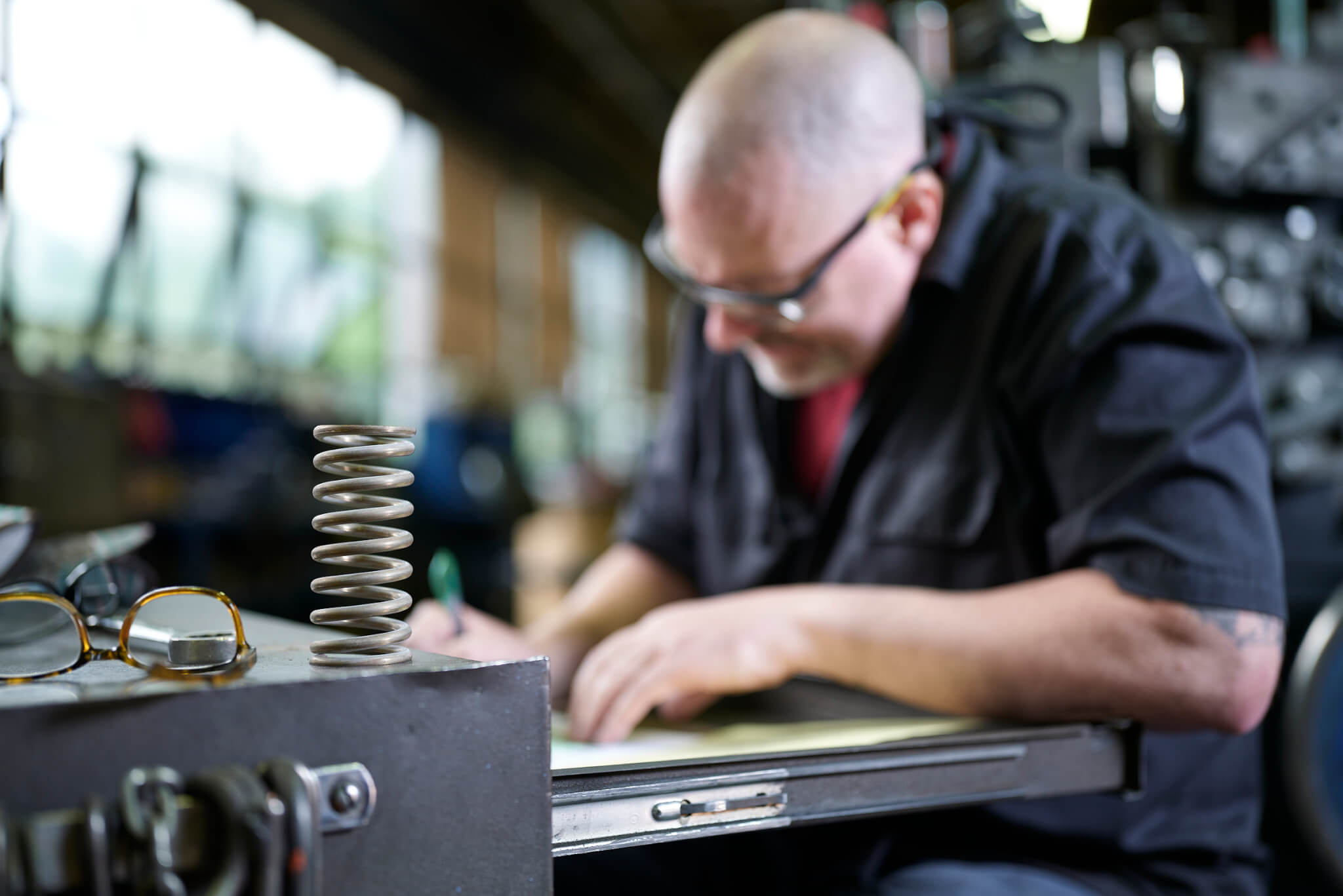
spring coiler recording results of a compression spring

Exceptional Customer Service

With locations in Pittsburgh, PA., Taylors, SC. and Tyler, TX, Diamond Wire Spring is here to serve you.

Multi-Plant ISO 9001:2015 Certification: Standardized quality management, full lot traceability, and repeatable process control across every manufacturing facility.

Contact us today to assist in any precision spring challenges for your energy and electric power generation applications.